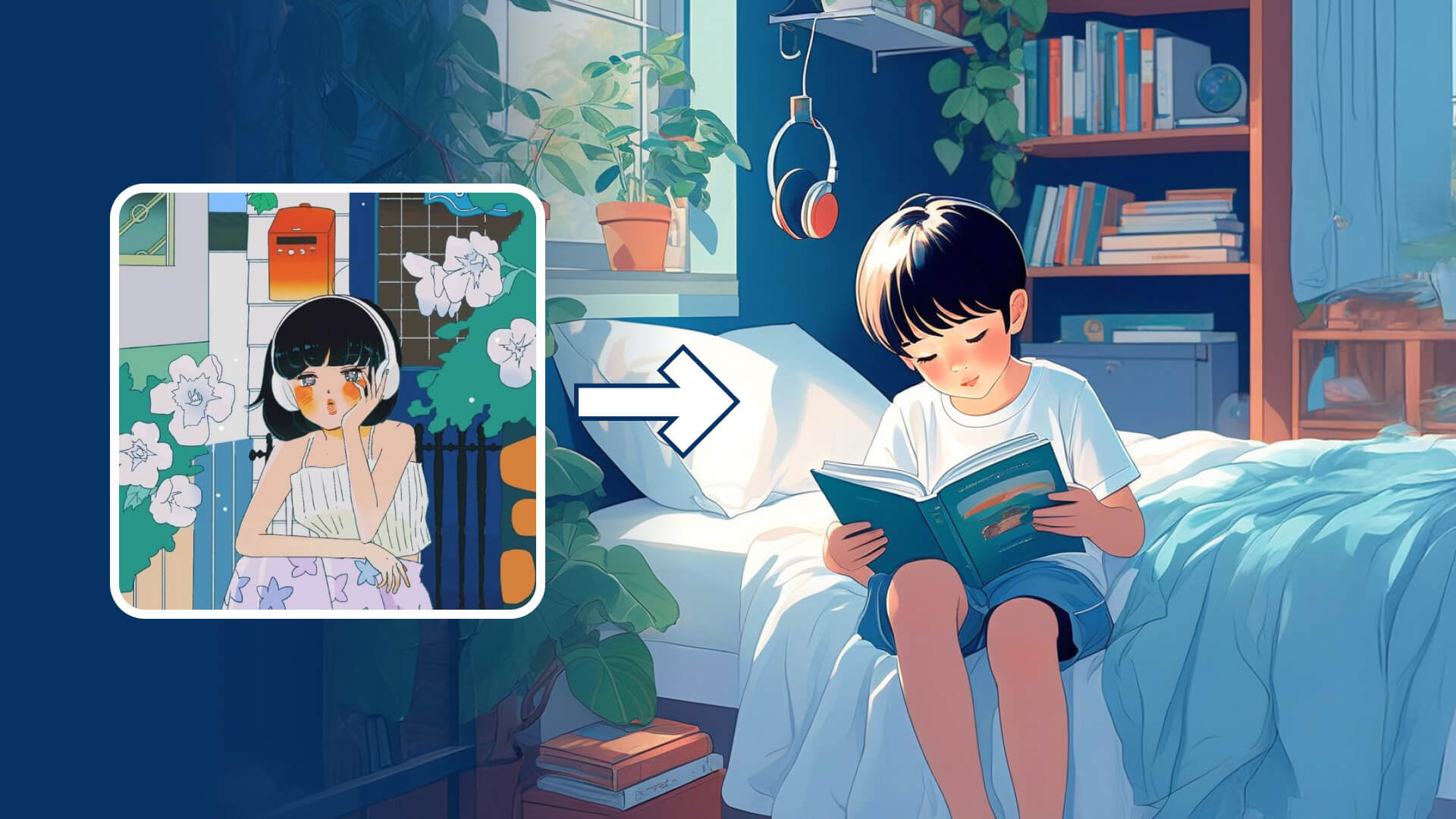
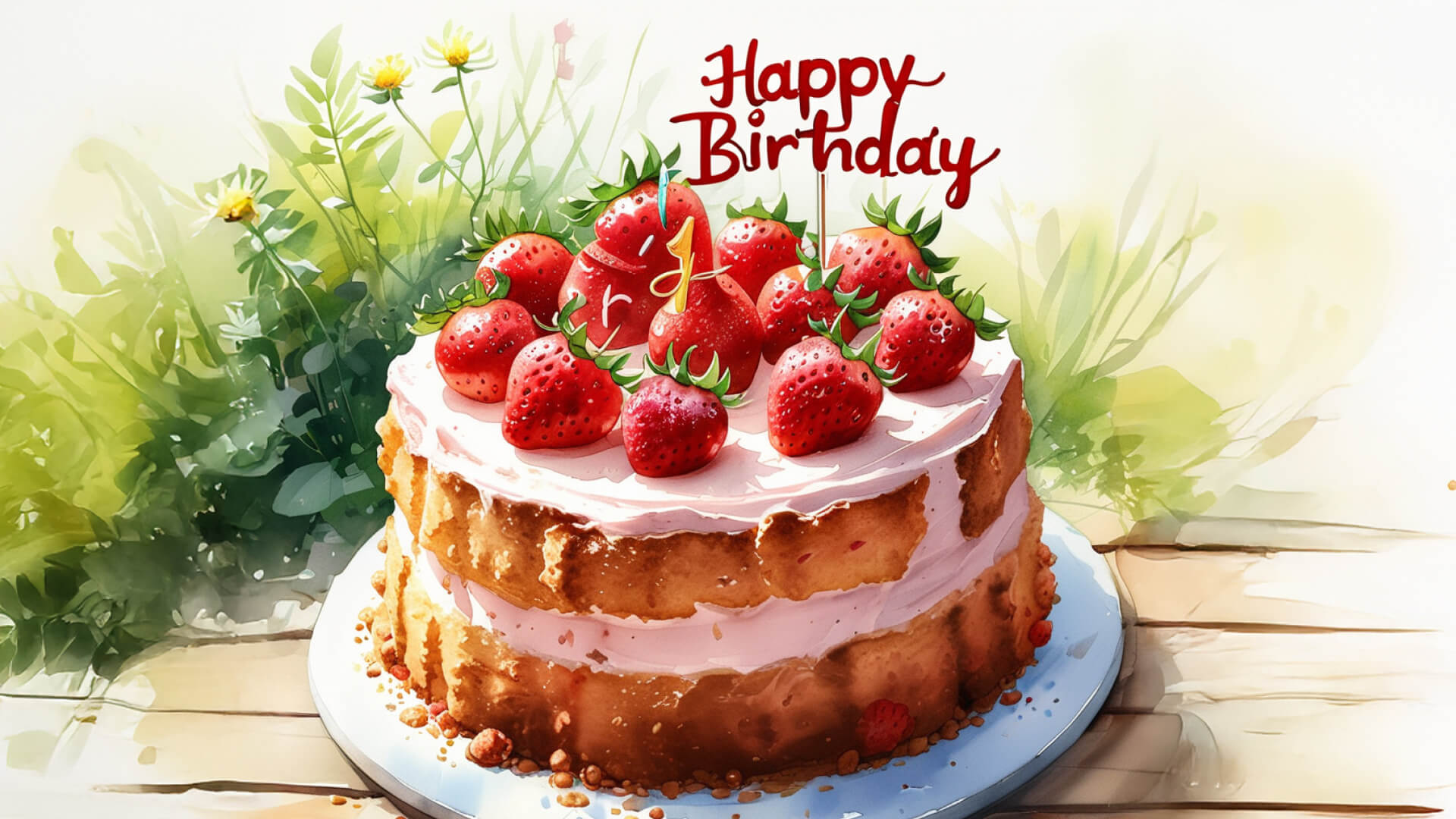
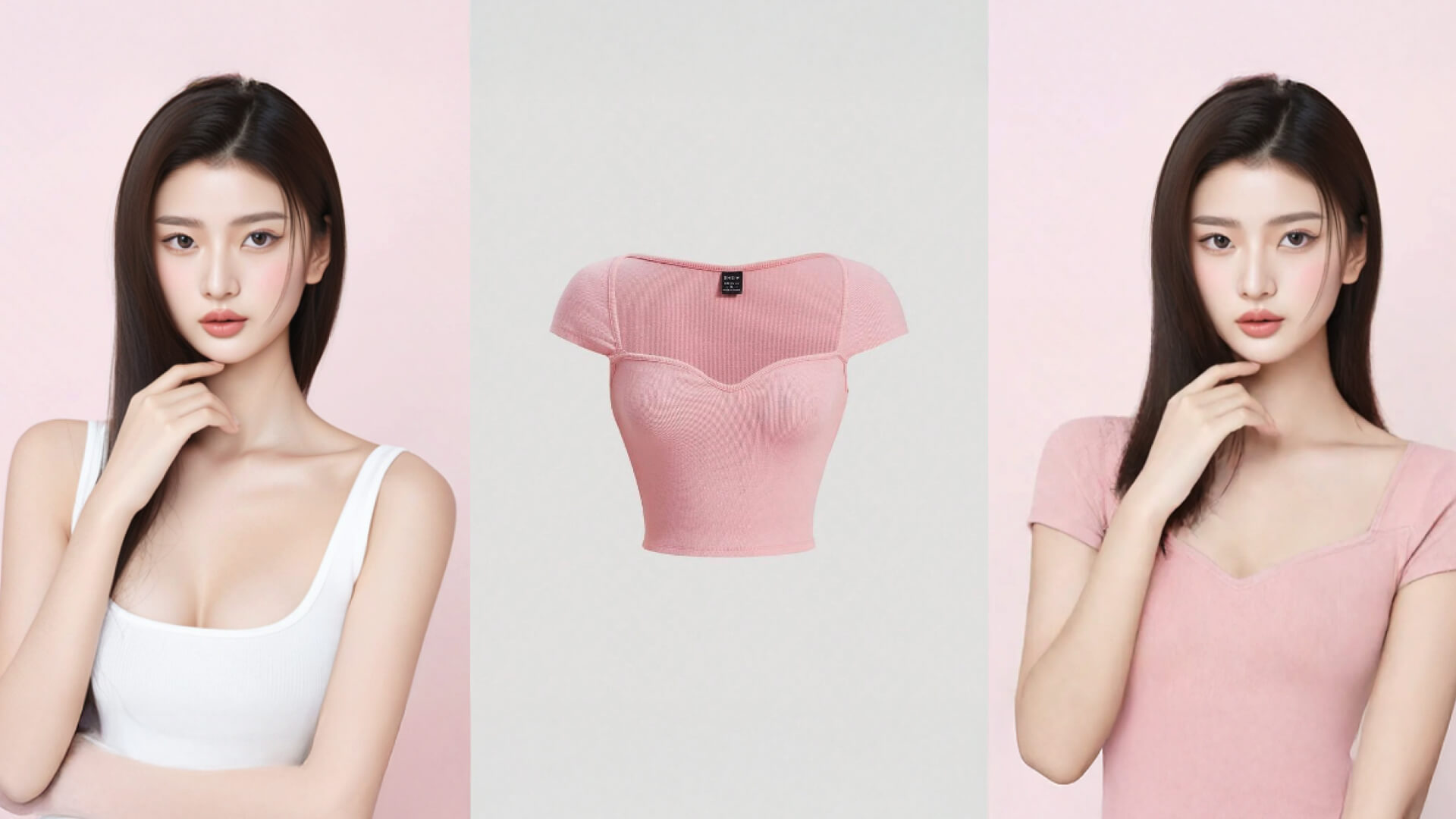
A prompt is a method used to adjust the text-to-image model. By inputting the content and effect you want, the model can understand your intention and generate images that meet your expectations. To ensure the model clearly understands and generates high-quality images, a good prompt needs to be rich in content and clearly described. This process is similar to when a teacher assigns us homework: if the teacher asks us to draw a picture without specifying what elements should be included and the purpose of the drawing, we would be unsure how to start. Similarly, the model also needs accurate and clear instructions when generating images. The more specific the prompt description, the more accurate and stable the generated image will be.
If you only input “a girl” without specifying her “appearance”, “location”, “time”, “action”, or “details of the scene”, the model will generate an image result based on its own interpretation.
prompt: A Girl | |||
Result 1 | Result 2 | Result 3 | Result 4 |
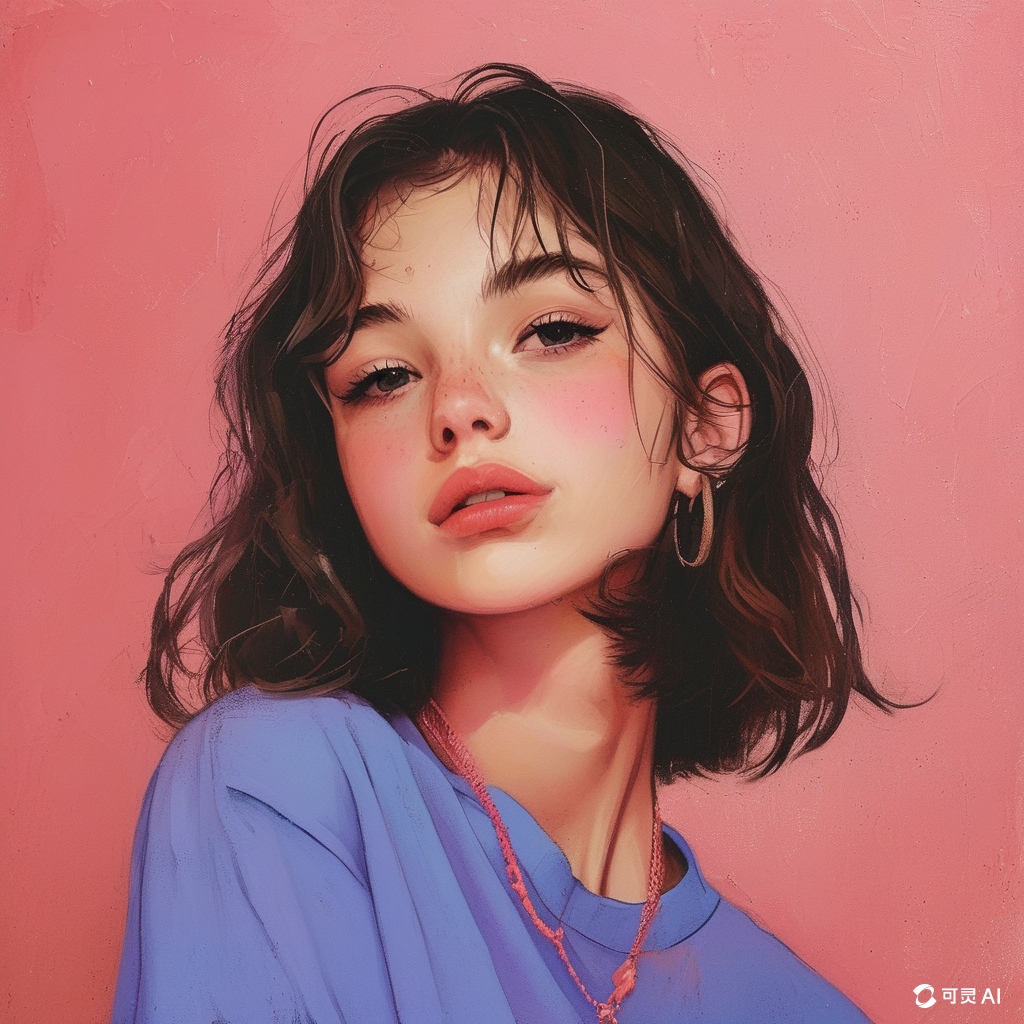 | 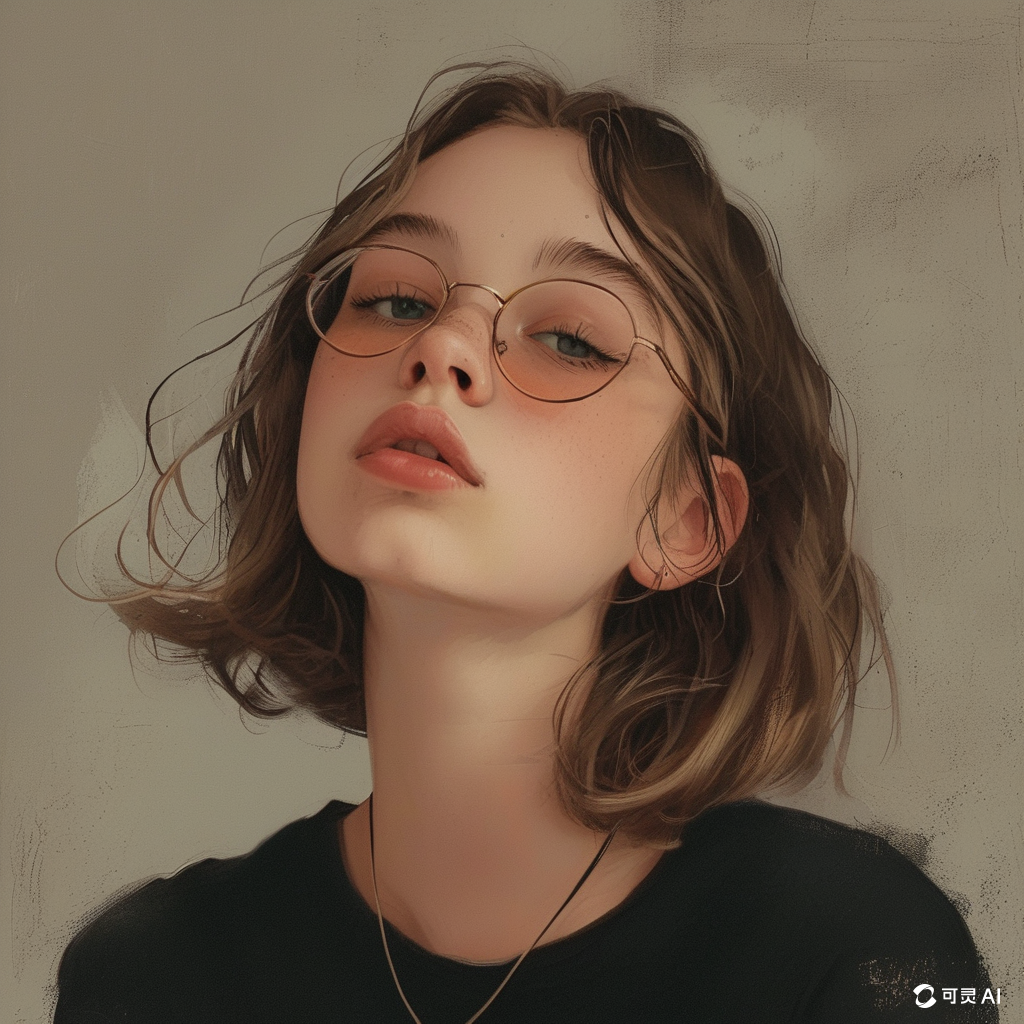 | 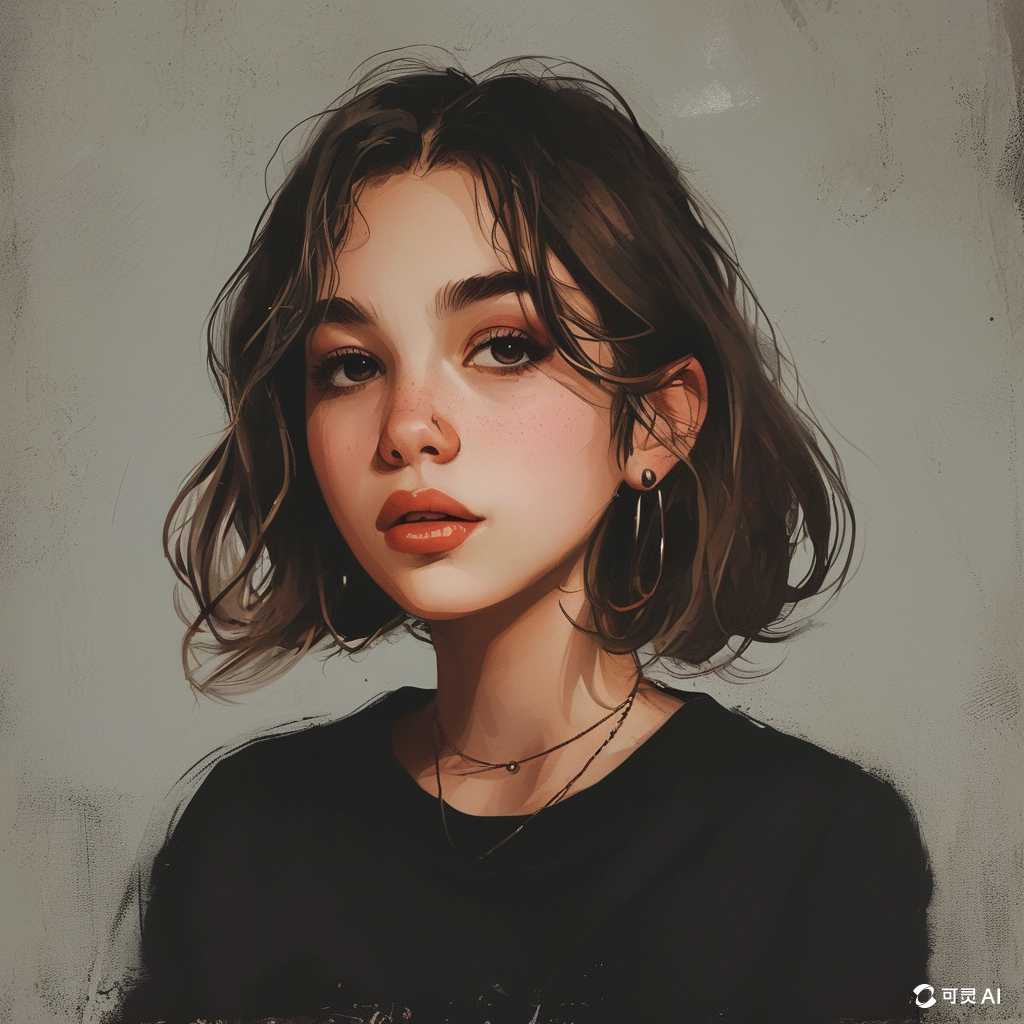 | 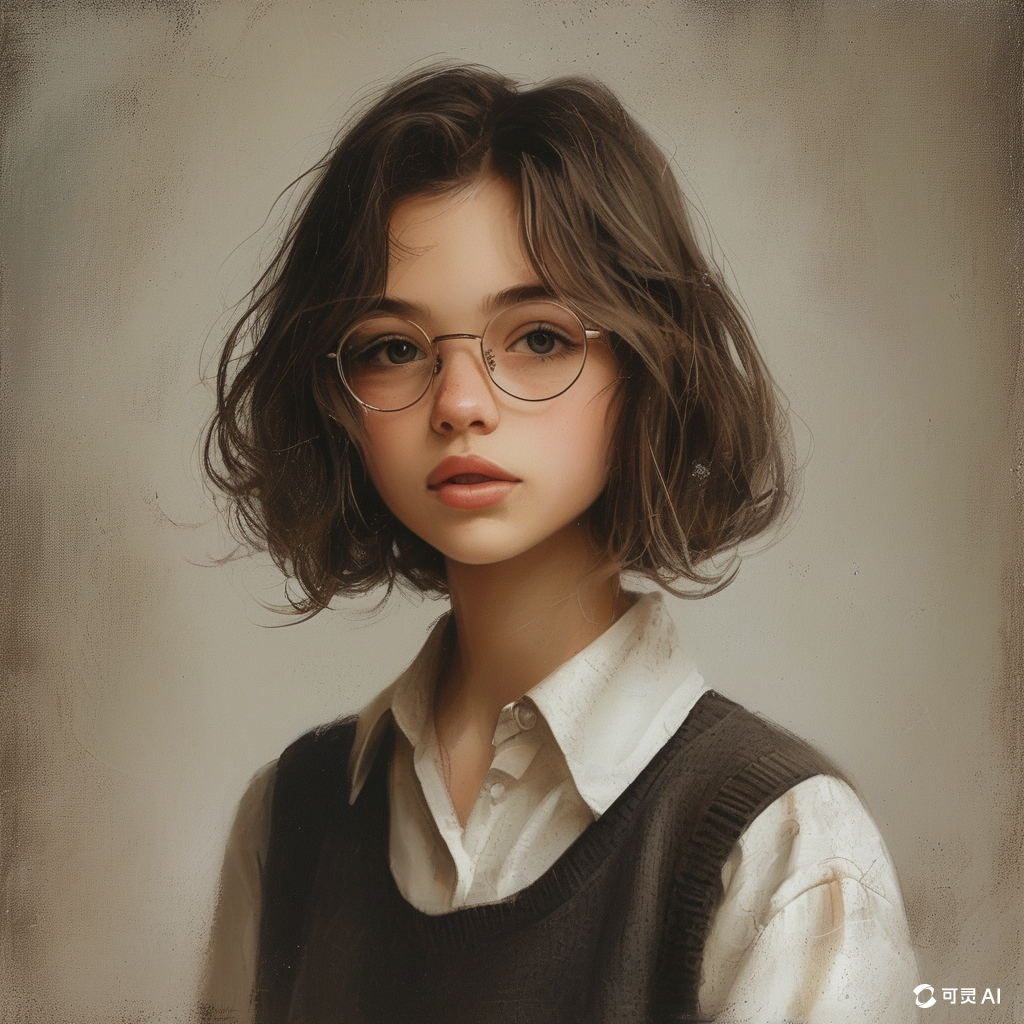 |
However, if you have specific requirements for the generated image content, such as “a girl with brown hair” “wearing a dress” “in a coffee shop” “on a summer afternoon” “eating an apple” with “oil painting style, extreme detail, medium shot”, the model will have difficulty accurately guessing your requirements.
prompt: A Chinese girl with brown hair wearing a dress eating an apple in a coffee shop on a summer afternoon, oil painting style, with extreme detail, medium shot. | |||
Result 1 | Result 2 | Result 3 | Result 4 |
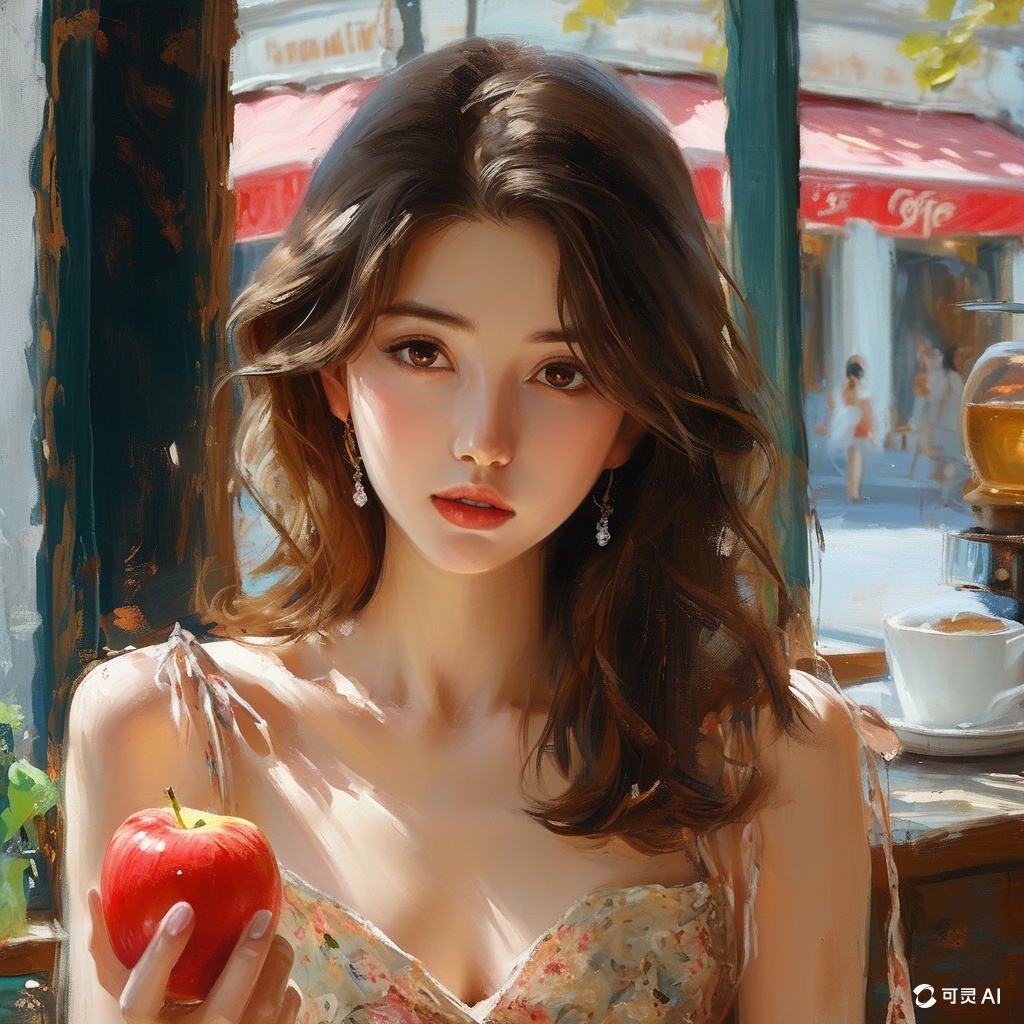 | 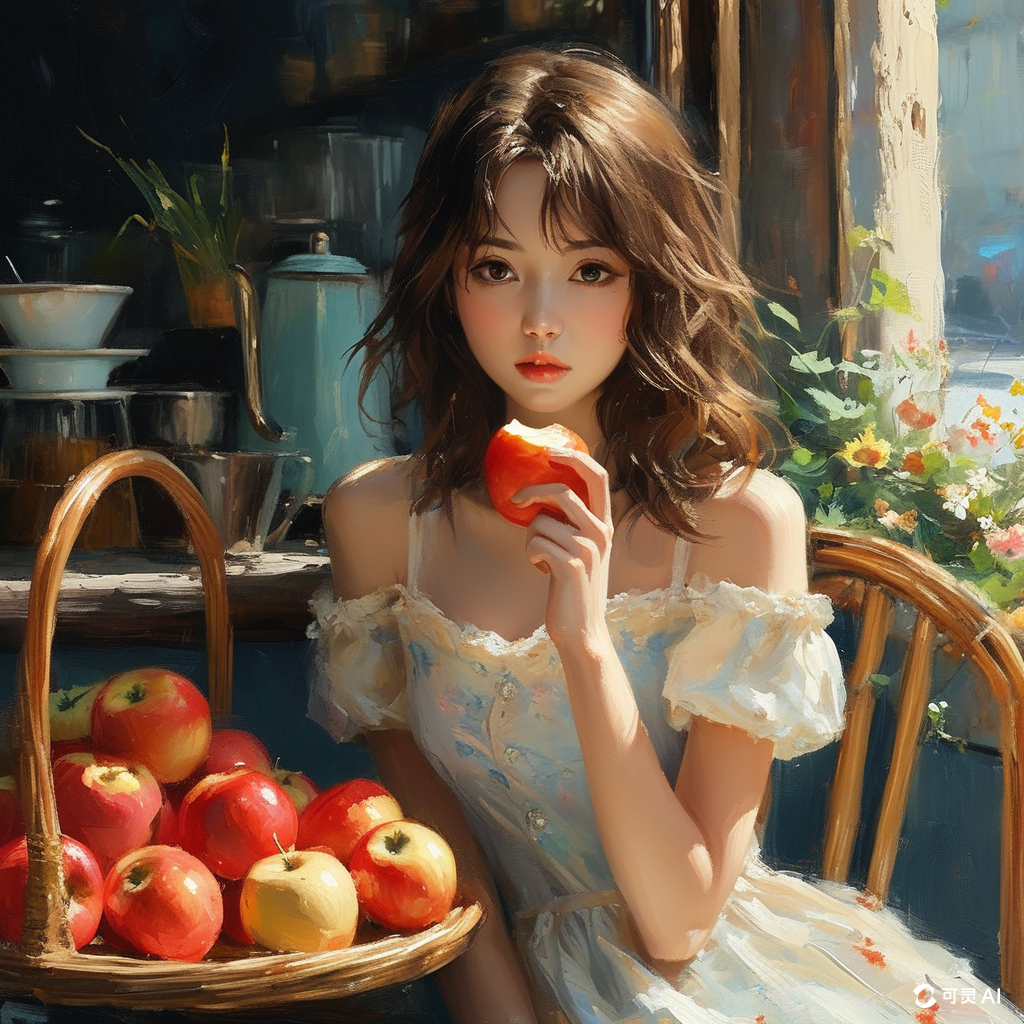 | 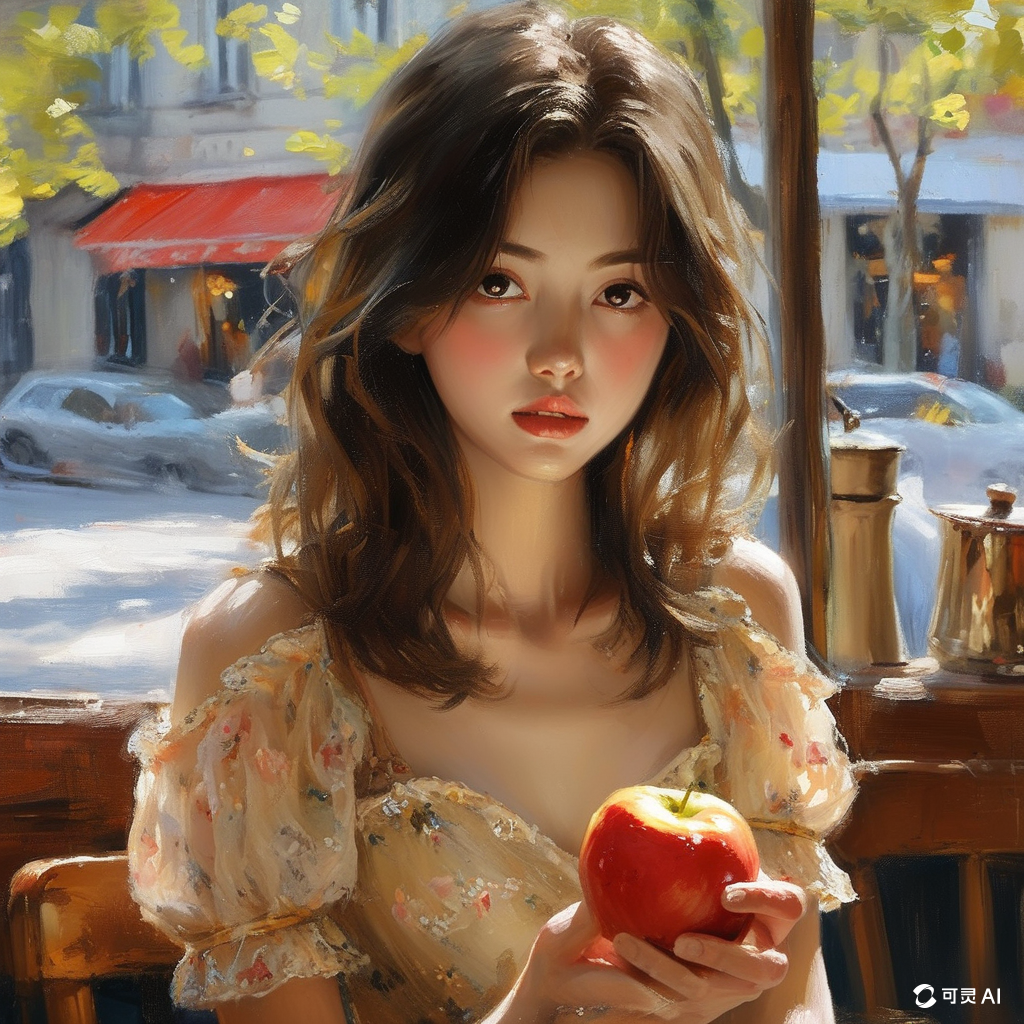 | 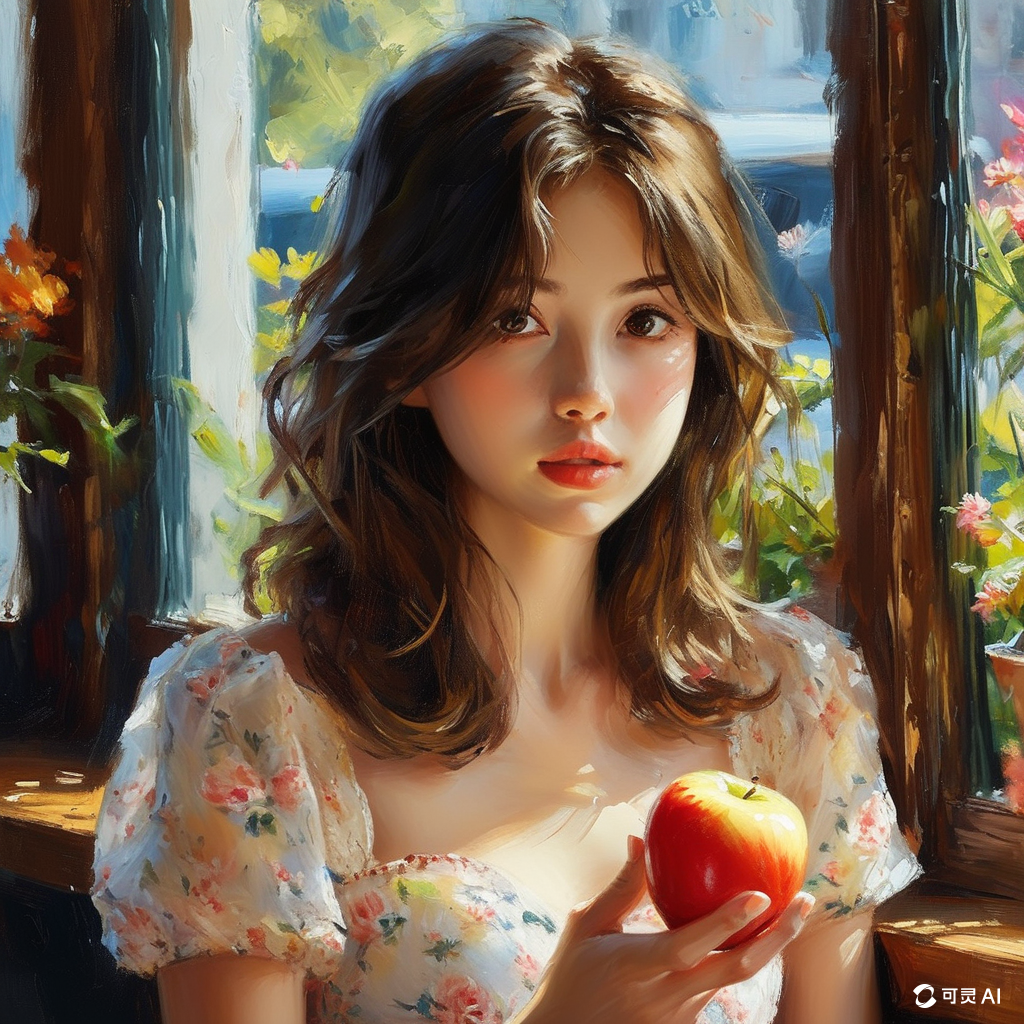 |
So how can you achieve such a rich and detailed image effect? We have prepared the “5W1H” formula for you, hoping to help you create more quickly and easily.
Who | What | When | Where | Why | How |
Elements | Description | Examples |
Who | Main Subject: The main subject of the image can be described as a person, animal, plant, food, building, or other object. |
|
What | Subject Description: A detailed and specific textual description of the main object or focal point in the image. |
Specific Examples
|
When | Time: The time node at which the scene in the image occurs. |
|
Where | Environment: Environment refers to the background or surrounding physical space where the main subject is located, providing context and atmosphere for the scene. |
|
Why | Why is it in the picture? What is it doing? |
|
How | Scene Detail Description: A detailed and specific textual description of the specific elements and visual effects in the image. |
|
Based on the formula above, you can try to obtain the following results:
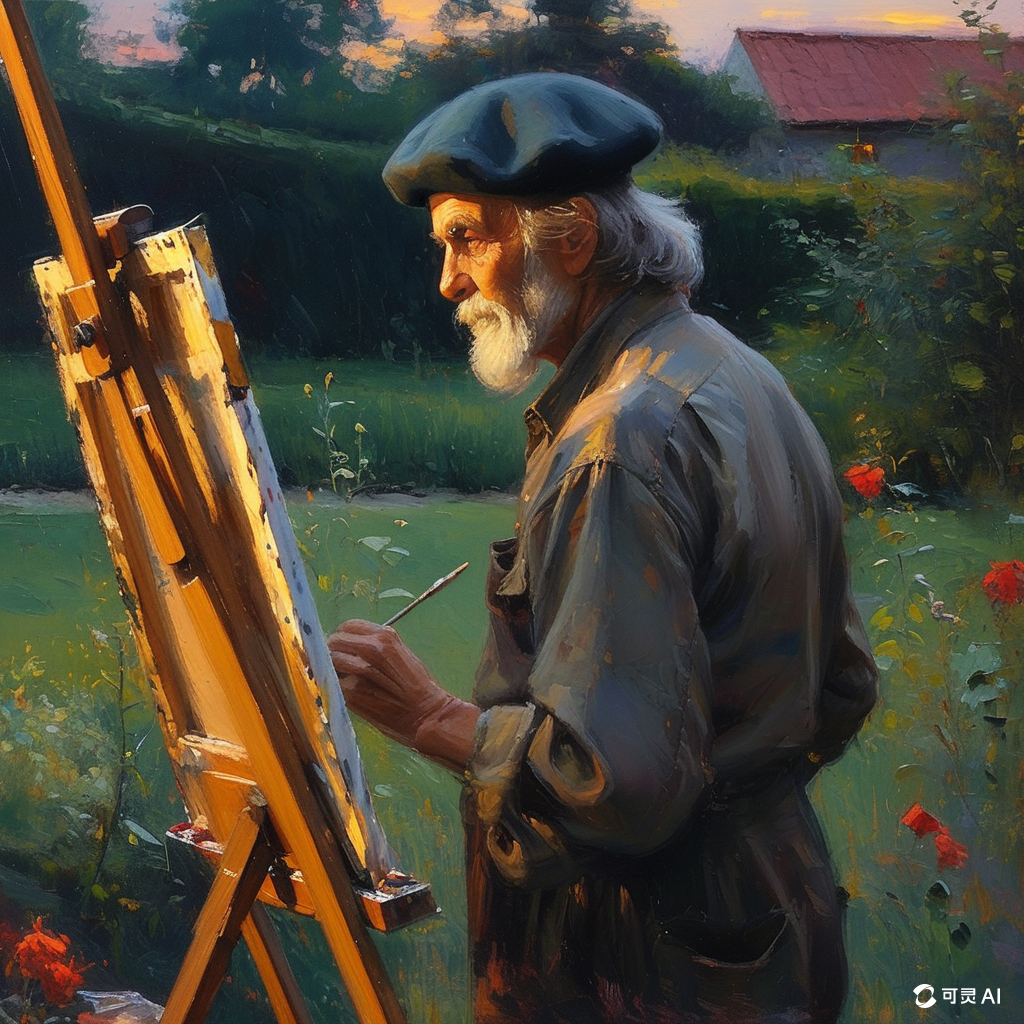 | 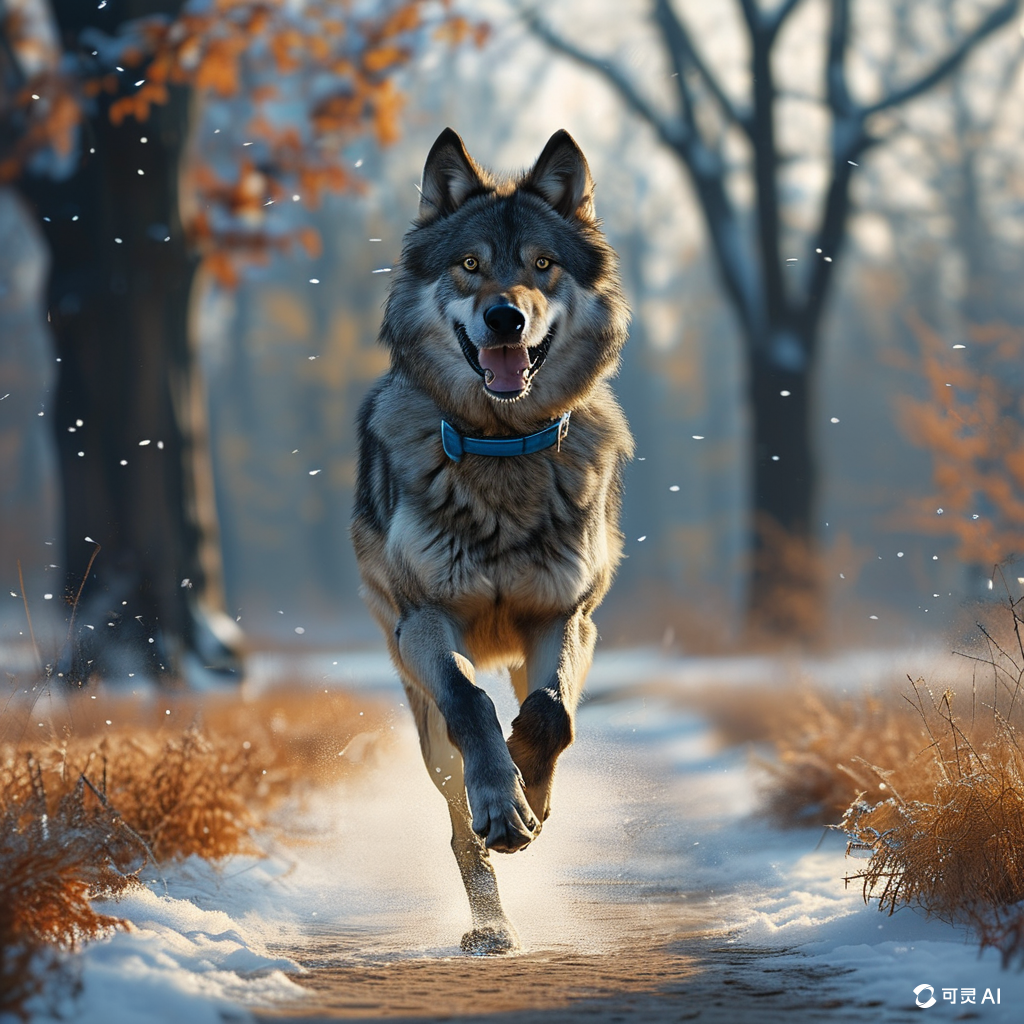 |  | 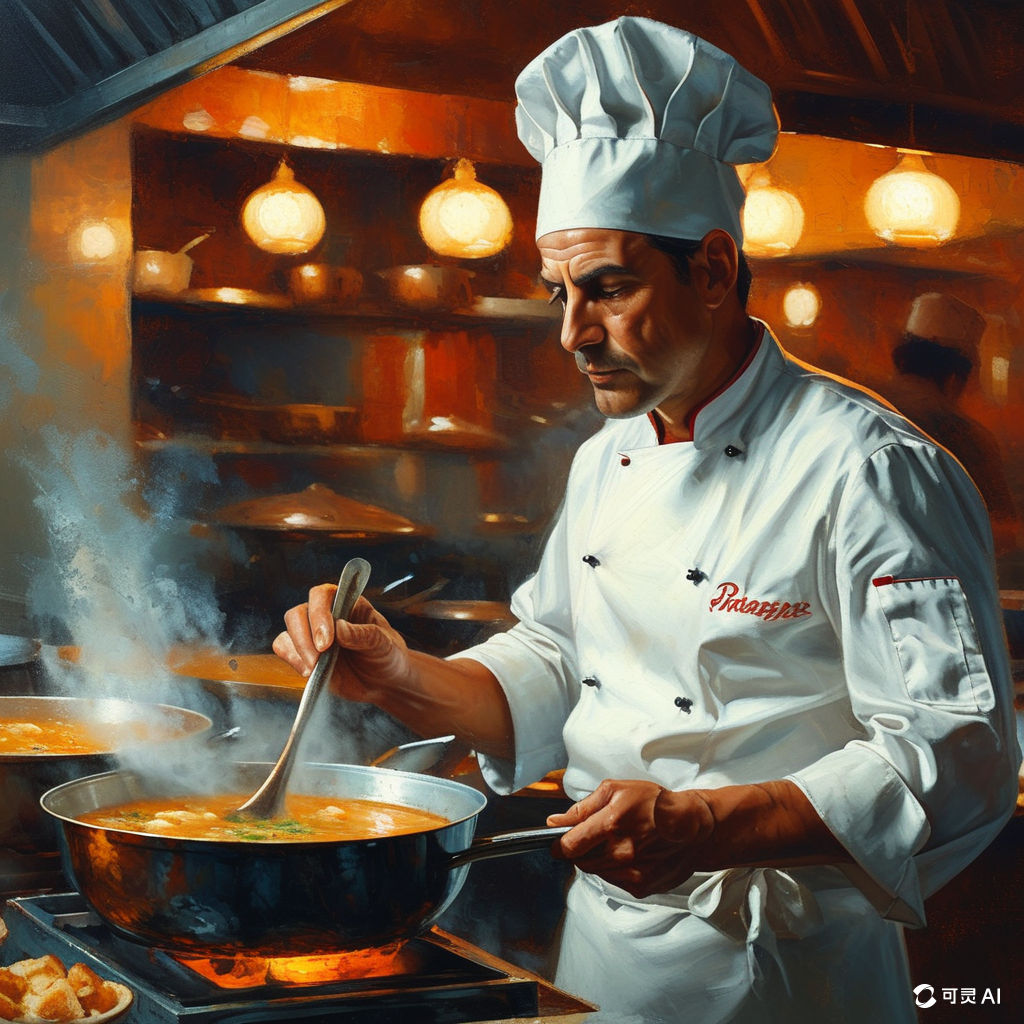 |
| prompt:An old painter wearing a beret stands in front of an easel and paints intently in the garden at dusk, with an impressionist style, soft lighting, close-up | prompt:A large grey-haired wolf dog wearing a blue collar happily runs on the park path in the winter morning, with a realistic style, exquisite texture, and long shot. | prompt:A scientist dressed in a white coat holds a test tube and focuses on conducting experiments in a high-tech laboratory on a future day, with a futuristic style, high contrast tones, and a top-down perspective. | prompt:A French chef dressed in traditional chef’s attire holds a large pot and focuses on stirring the soup in the aromatic kitchen of a Parisian restaurant. This scene is depicted in the style of a 20th-century political poster, with oil painting techniques, warm lighting, and a close-up view. |
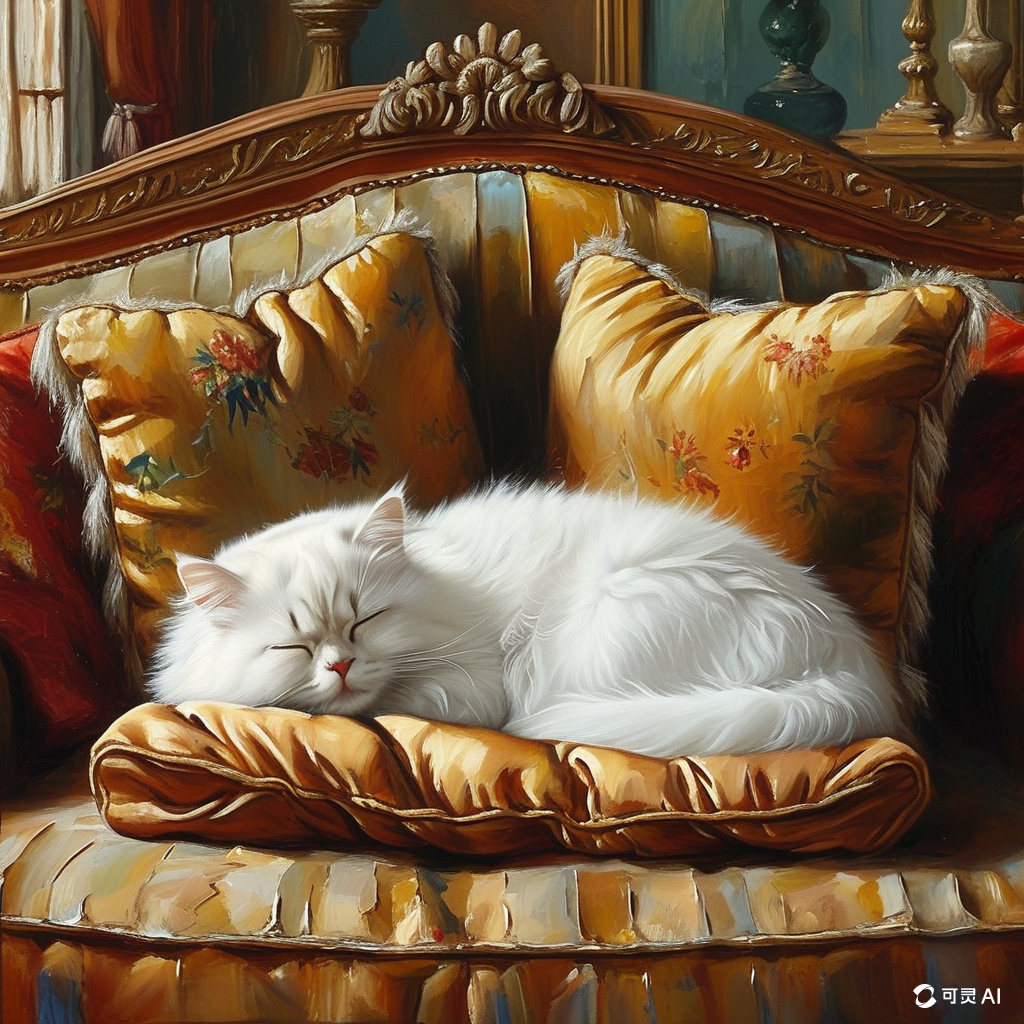 |  | 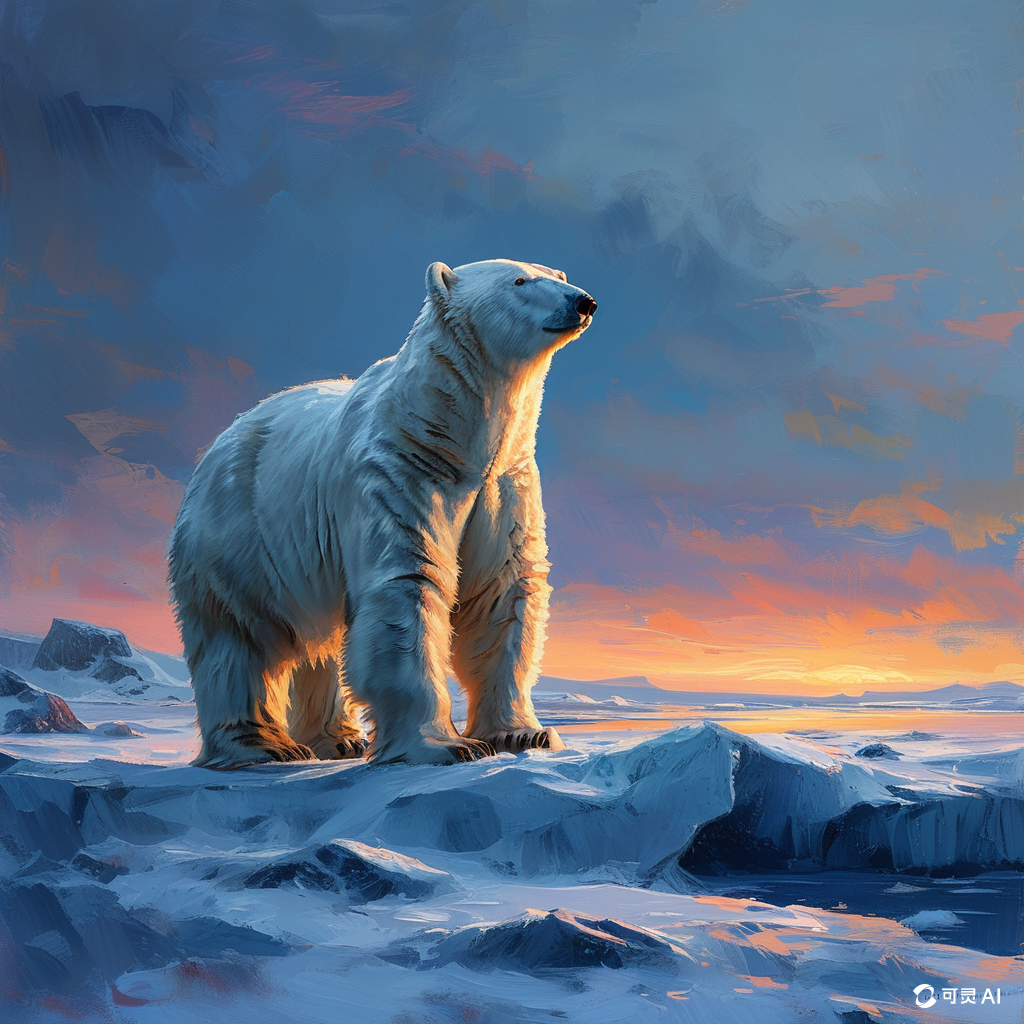 | 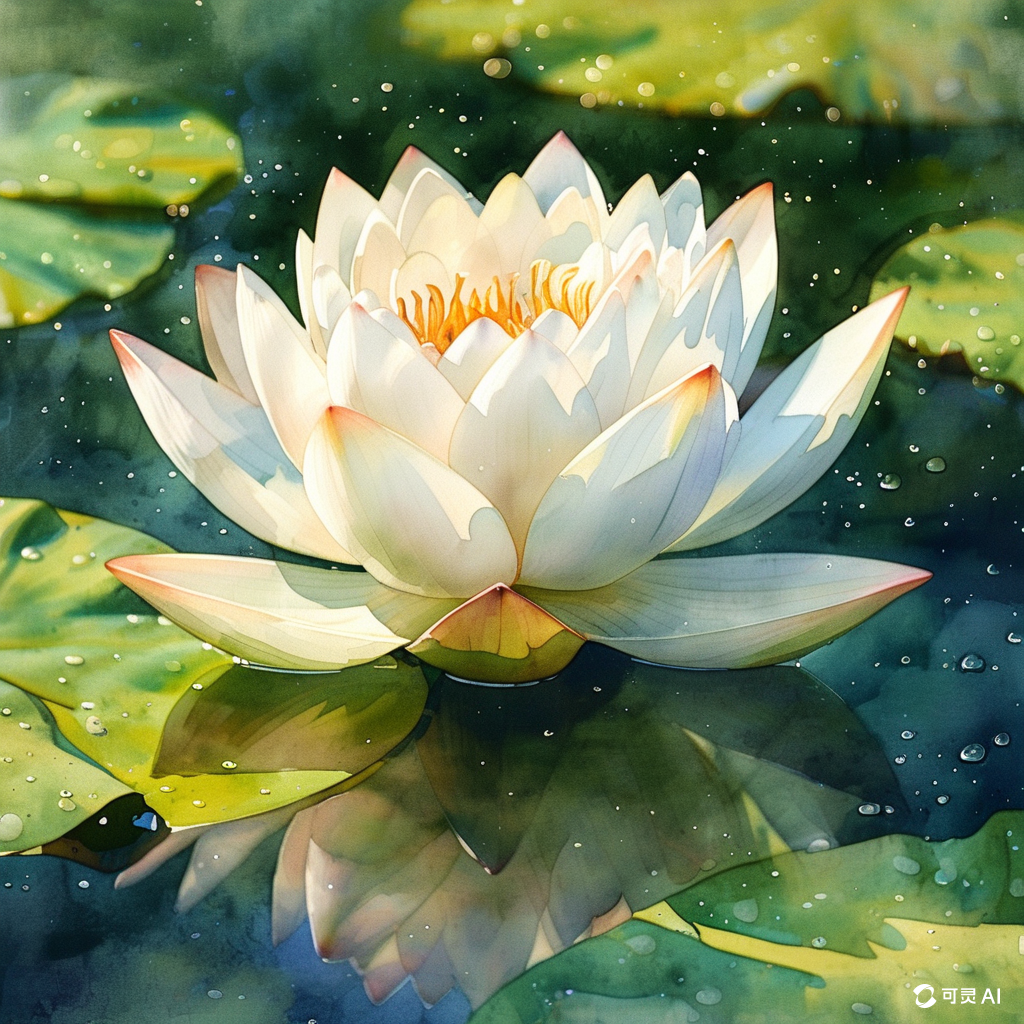 |
| prompt:Oil painting style, Mediterranean theme, depicting a white Persian cat curled up on a velvet cushion in a luxurious living room on a warm winter afternoon, comfortably dozing off, with rich details and a close-up perspective. | prompt:An explorer wearing a hat and expedition clothes observes animals and plants in the morning rainforest, in a surrealist style with vibrant colors and a wide-angle perspective. | prompt:A furry polar bear standing on the icy tundra at winter dusk, gazing into the distance, in an Impressionist style with soft tones, in a medium shot. | prompt:A pure white lotus blossom quietly blooming on the water’s surface in a summer noon pond, floating among green leaves, in a watercolor style with soft colors, in a close-up view. |
Please note that the formula provided here is only for reference, and it is not necessary to include all the elements every time you write a prompt. You can flexibly adjust the emphasis on one or two elements according to the content of the image you need to generate, and avoid blindly stacking elements, which may affect the quality of the output image.